FFGR

67th TFF: Oliver Laxe, director of Sirāt, in Thessaloniki
17.09.2026
NEWS
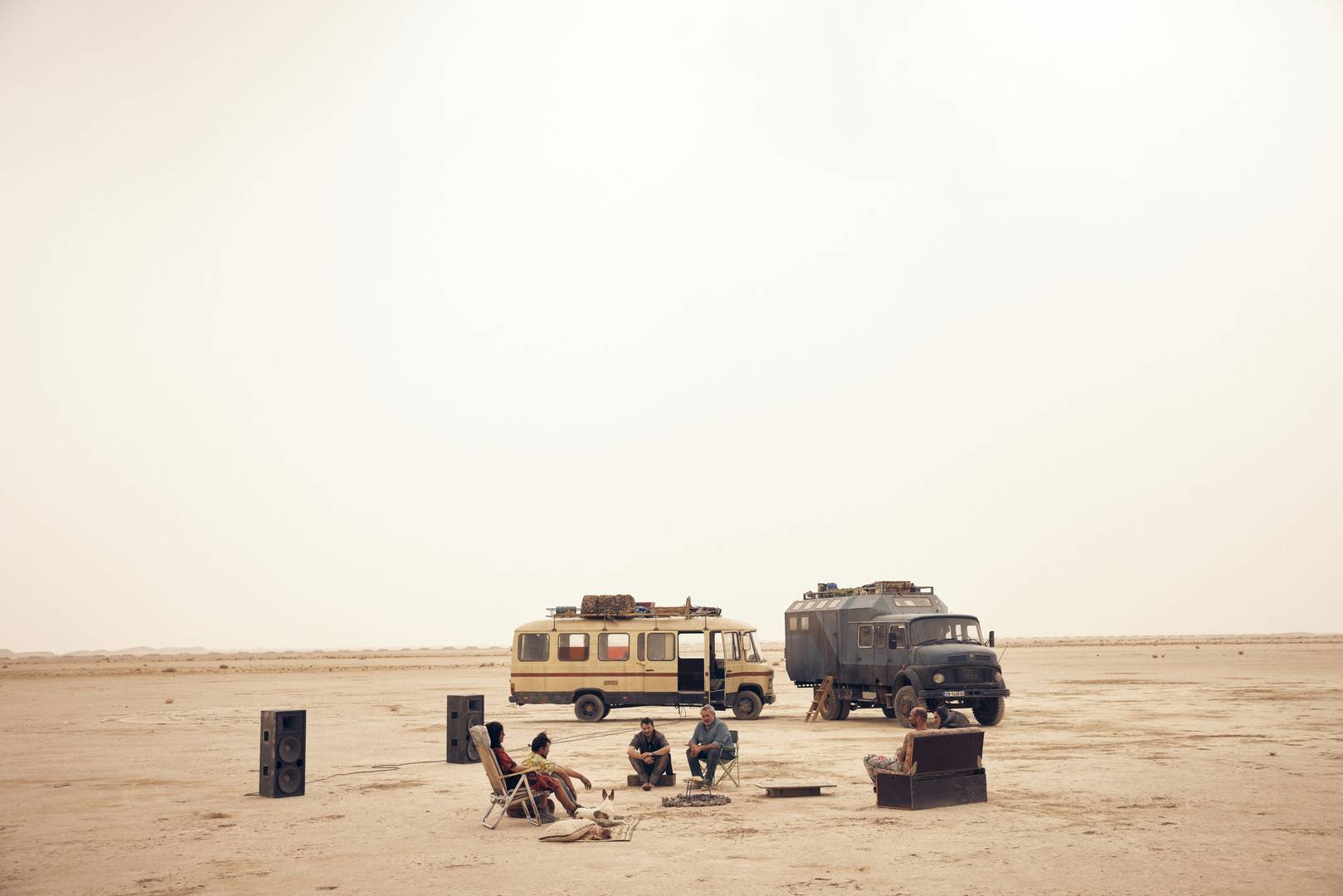
The 67th Thessaloniki International Film Festival (November 5–15, 2026) is delighted to welcome the acclaimed Galician director, screenwriter, and actor Oliver Laxe, director of Sirāt, a film adored by audiences and critics alike and hailed as one of the most captivating cinematic experiences of recent years. The Festival is organizing a major tribute titled Welcome to the Desert and has invited Laxe to serve as guest curator, selecting 17 films set against a landscape that has given us unforgettable cinematic masterpieces.
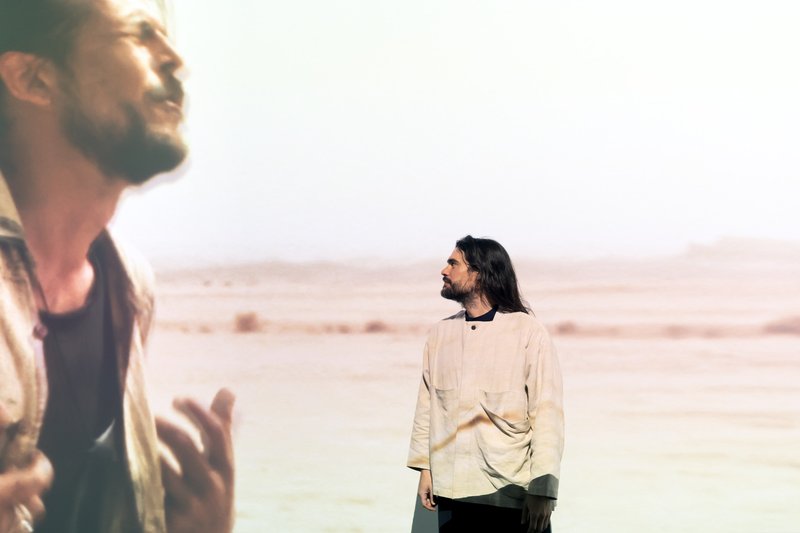
The Festival will also present, in collaboration with the Metropolitan Organisation of Museums of Visual Arts of Thessaloniki – MOMus, a multimedia installation to be hosted at MOMus–Experimental Center for the Arts. The exhibition will be curated by Orestis Andreadakis, Artistic Director of the Thessaloniki Film Festival, with architectural design by Eirini Sapka. The Festival invites audiences to explore a desert environment centered around an audiovisual installation by Oliver Laxe, produced by the Museo Reina Sofía in Madrid.
Oliver Laxe will, also, give a fascinating open talk, shedding light on his artistic journey and the creative process behind his films. The Festival will also publish a special bilingual edition dedicated to the tribute.
The desert is not merely a place; it is also a metaphor for human existence itself. A vast, almost unmapped landscape, and therefore a captivating one, the desert reflects humanity’s inner quests, the vastness of time, the grandeur of nature, and the struggle for survival. The films of the tribute, beloved cinematic experiences by great directors as well as little-known gems, will reveal secrets hidden in the sand and will transport us to remote corners of the planet, where we encounter characters pushed to extreme limits.
“I’m very happy to be taking part in the Thessaloniki Film Festival this year, a festival that has supported my work since my very first films and that is undoubtedly one of Europe’s reference festivals for the rigor and quality of its programming. It will be a pleasure to share new adventures with the Greek audience” Oliver Laxe mentions.
“Oliver Laxe is one of the most exciting young directors, and the Festival has followed his cinematic journey with great enthusiasm from the very beginning. This year, inspired by Laxe’s work, we will wander through the desert, a place that has served as an iconic setting in films, symbolizing inner exploration, human survival, and the unknown,” says Orestis Andreadakis, Artistic Director of the Thessaloniki Film Festival.
Laxe joins the Festival as guest curator following Carlo Chatrian, former Artistic Director of the Berlin and Locarno Film Festivals; Myriam Ben Salah, art curator and director of The Renaissance Society at the University of Chicago; and Dennis Lim, Artistic Director of the New York Film Festival.
Oliver Laxe is a longtime friend of the Thessaloniki Film Festival. At the Festival’s landmark 60th edition, he won the Golden Alexander in the International Competition for Fire Will Come, which had previously won the Jury Prize in the Un Certain Regard section at Cannes. All of his feature films have received awards at Cannes, beginning with his directorial debut, You All Are Captains (2010), which screened in the Directors’ Fortnight and won the FIPRESCI Prize. This was followed by Mimosas (2016), which received the Grand Prize at Critics’ Week. His remarkable winning streak continued with Sirāt (2025), which received the Jury Prize in the Competition section at Cannes and was nominated for Academy Awards for International Feature Film and Best Sound.
The films of the tribute
The films will feature classic creations by highly-respected directors and lesser-known cinematic gems from 1930s until today:
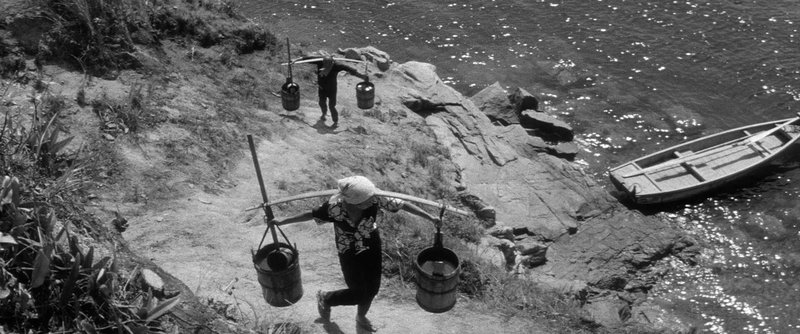
- The visually stunning The Naked Island (Japan, 1960), by pioneering director Kaneto Shindō.
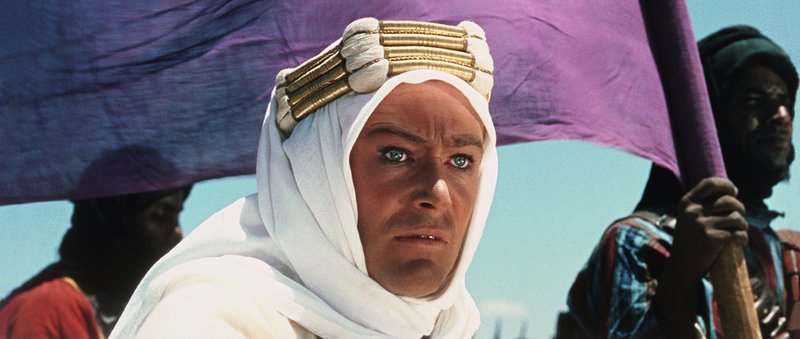
- The seven-time Academy Award-winning masterpiece Lawrence of Arabia (United Kingdom, 1962), directed by David Lean, with a stunning performance by Peter O’Toole.
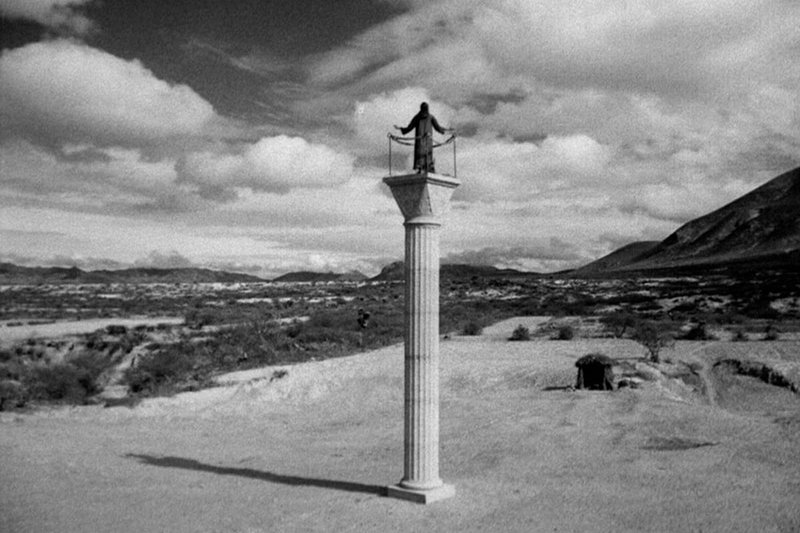
- The surrealist Simon of the Desert (Mexico, 1965), by Luis Buñuel, filmed toward the end of the director’s Mexican period —a biting satire of religious fanaticism.
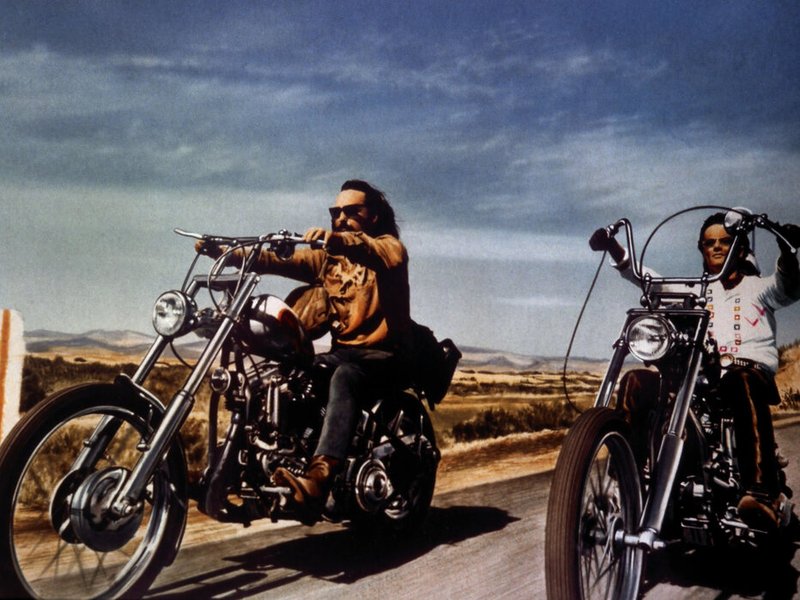
- Easy Rider (USA, 1969), directed by Dennis Hopper, the film that redefined American cinema in the 1970s, with cinematic legends Dennis Hopper, Peter Fonda, and Jack Nicholson in the leading roles.
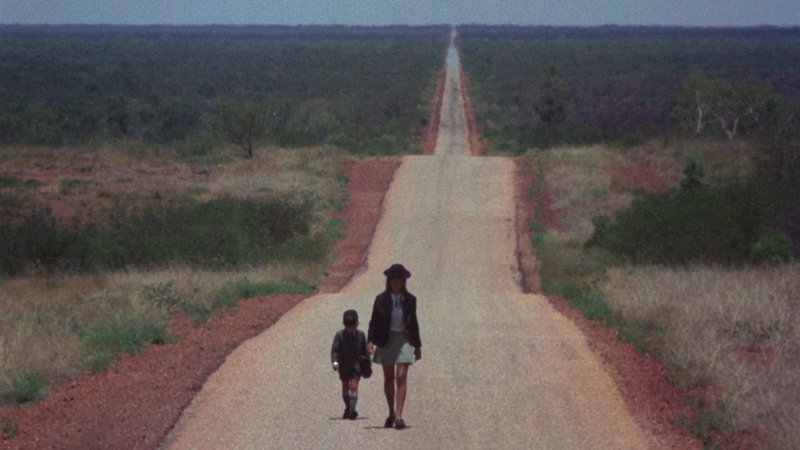
- The striking and hypnotic Walkabout (Britain–Australia–USA, 1970), by Nicolas Roeg, a meditation on civilization and time.
- Werner Herzog’s hybrid documentary Fata Morgana (West Germany, 1971), a hallucinatory journey through the Sahara Desert.
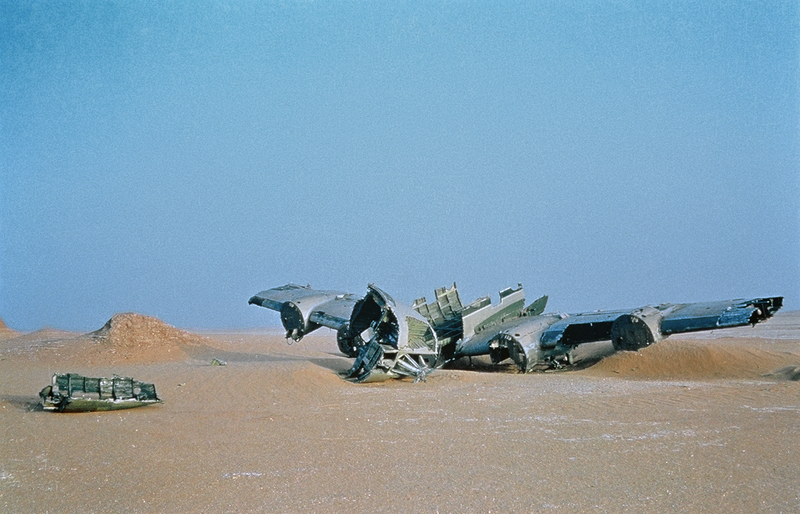
- The rarely screened Wake in Fright (Australia, 1971), directed by Ted Kotcheff (director of First Blood), an odyssey set in the arid, isolated expanses of Australia.
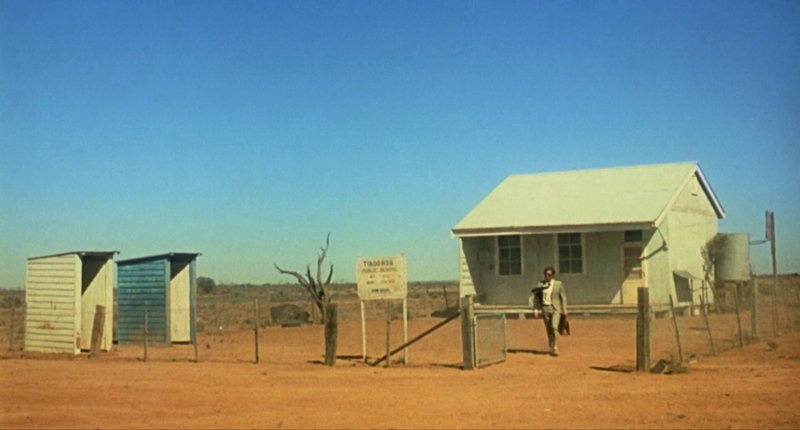
- Andrei Tarkovsky’s poetic Stalker (Soviet Union, 1979), a film about human existence and faith that inspired generations of filmmakers around the world.
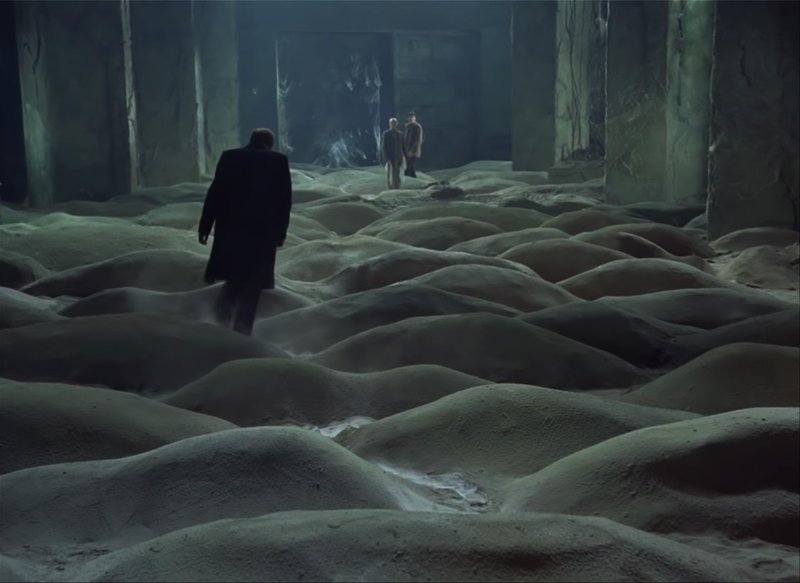
- Claire Denis’s magnificent Beau Travail (France, 1999), regarded as one of the greatest films of all time, a work of simmering tension and extraordinary beauty.
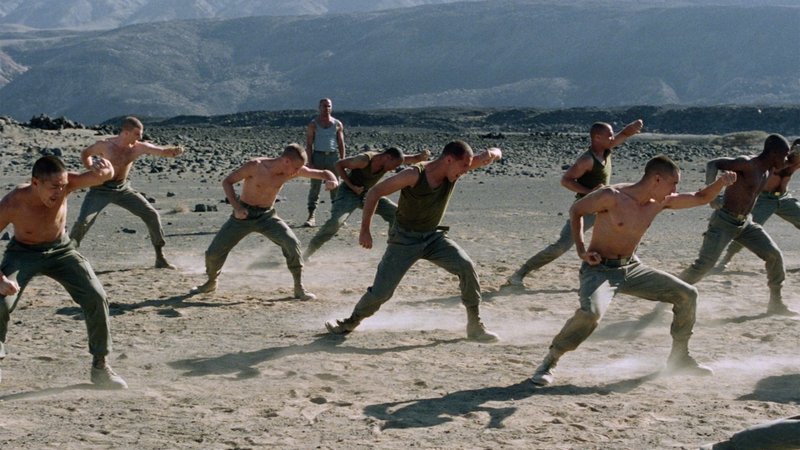
- The documentary Highway (Kazakhstan, 1999), by Sergei Dvortsevoy, takes us along a dirt highway in Kazakhstan—a realistic portrayal of a family’s struggle for survival and their relationship with nature.
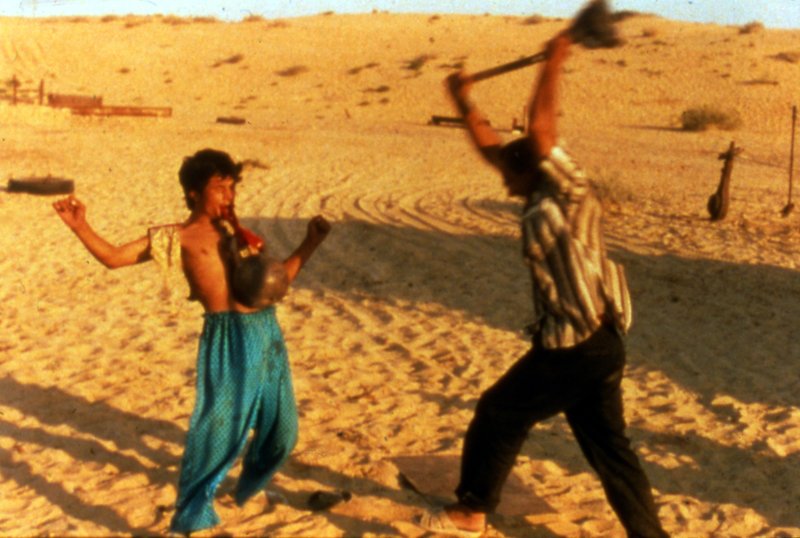
- The mystical Mimosas (Spain–Morocco–France–Qatar, 2016), by Oliver Laxe, a beautifully shot road movie made with non-professional actors.
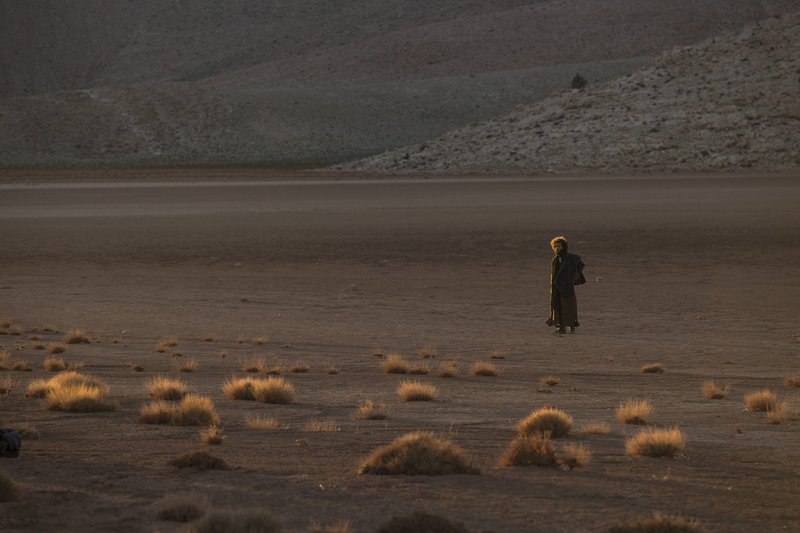
- The quietly intense 143 Rue de désert (Algeria–France–Qatar, 2019), by Hassen Ferhani, a documentary about an isolated café in Algeria.
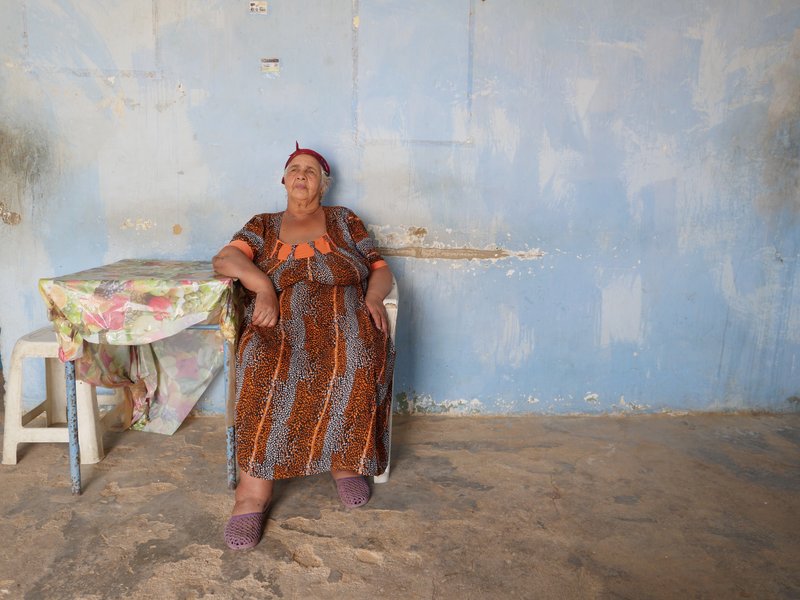
- The ecstatic, transcendent Sirât (Spain–France, 2025), by Oliver Laxe, a suspenseful journey through the desert.
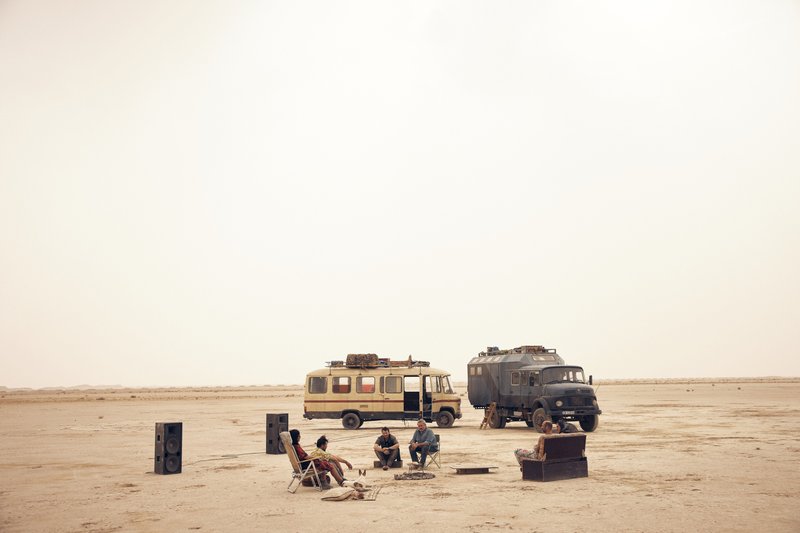
More exciting titles will soon be announced as part of the tribute.
Multimedia Installation
As part of the tribute, the MOMus-Experimental Center for the Arts at Warehouse B1, in the Port of Thessaloniki, is transformed into a desert environment. The multimedia installation presented by the Festival will span the entire space of the MOMus-Experimental Center for the Arts, transporting us to the desert through unexpected surprises.
A central element of this multimedia installation is a three-channel video installation featuring material shot in the desert by Oliver Laxe, produced by the Museo Reina Sofía in Madrid.
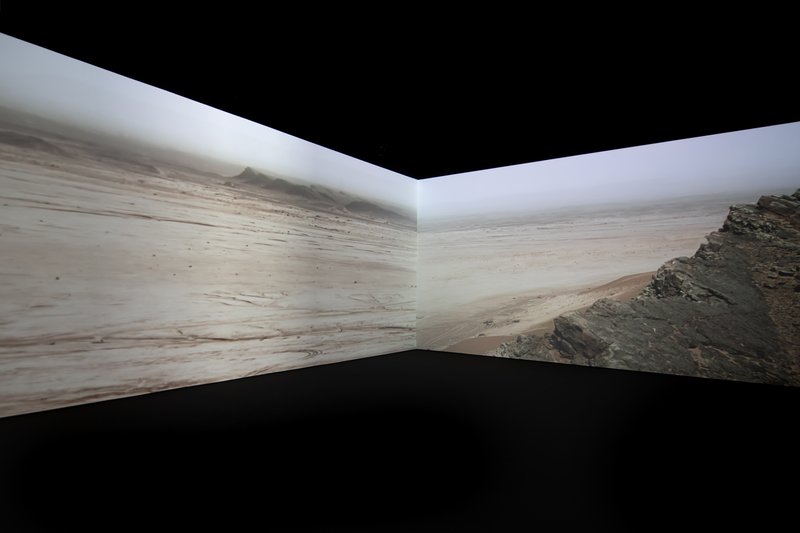
Chema González, Head of Film and New Media at the Museo Reina Sofía and co-curator of the three-channel video installation, will also be coming to Thessaloniki to participate in the jury for the Immersive competition section.
This installation, conceived by Oliver Laxe and co-curated by Julia Morandeira Arrizabalaga and Chema González, will be accompanied by a specially designed soundscape by award-winning composer and creator of the Sirāt soundtrack, Kangding Ray. The installation HU/هُوَ. Dance as if no one were watching you emerged from the research and visual material of the film Sirāt. The three-channel projection presents desert landscapes dominated by a relentless sun and inhabited by the stark silhouettes of temples and sound speakers, among which human figures dance. Shot by Laxe a decade ago in Iran, these architectural forms recall the pursuits of monk-architects who sought to render sacred geometry perceptible through forms and proportions, precisely where the boundary between the material and immaterial worlds is felt. Kangding Ray’s sonic composition approaches, through the structural materiality of sound, its mystery and inherent immaterial dimension.
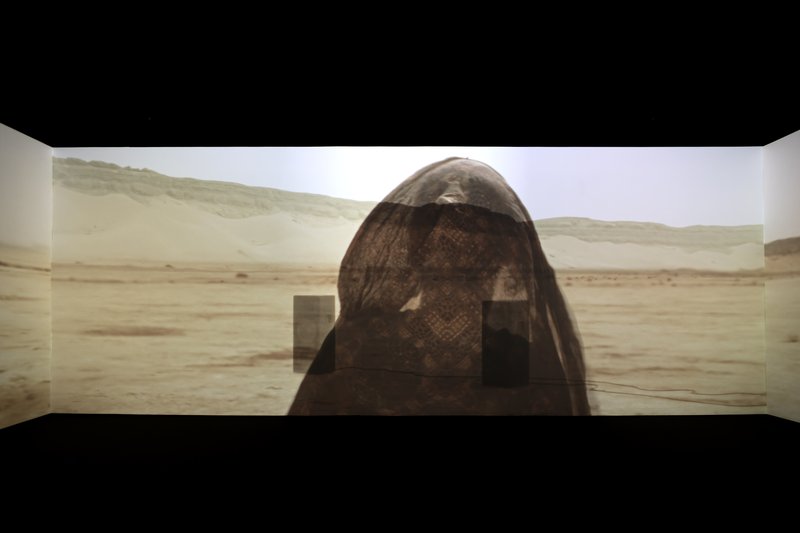
The term sirāt denotes the bridge that crosses hell leading to paradise, while in Arabic, HU/هُوَ refers to the primordial sonic manifestation of the divine: the divine breath and the first utterance of speech that inaugurates creation. The subtitle of the work comes from a line by Rumi (1207–1273), the Persian mystic and scholar whose work and spiritual practice explored the transcendence and dissolution of the ego into the divine through music, dance, poetry, and prayer.
Special Edition
Finally, TFF will also publish a special bilingual edition dedicated to the desert, entitled Welcome to the Desert. Designed with an abstract and poetic sensibility, the book broadens the definition of the desert as it imagines it extending across the page and creating its own mirages through typography. The publication includes original texts on the relationship between the moving image and the desert, as well as older seminal texts which are being translated into Greek for the first time.
In collaboration with: