
FFGR

67th TIFF: The Festival’s visual identity
01.10.2026
NEWS
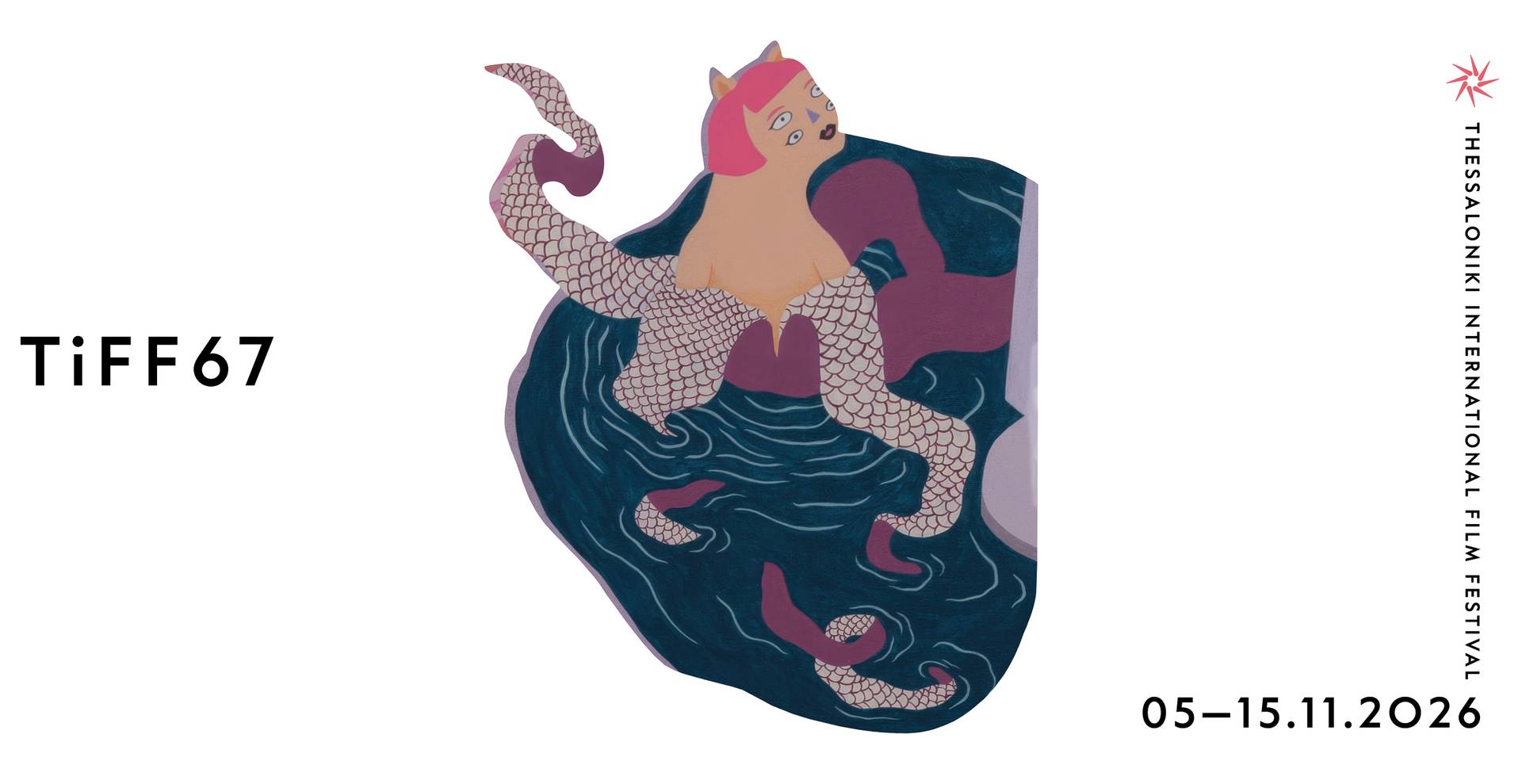
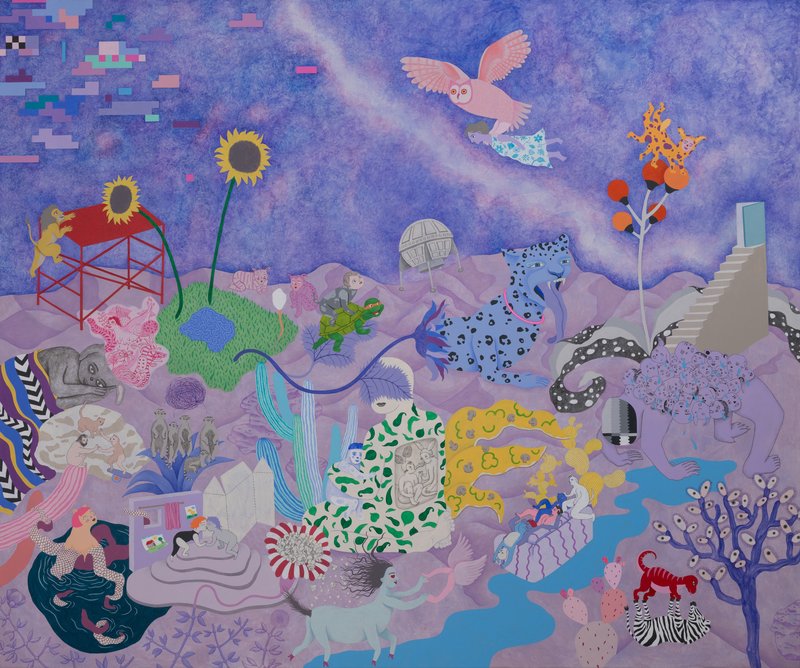
It is with great pleasure that the Thessaloniki International Film Festival presents the posters for its 67th edition, which will take place from November 5 to 15, 2026. Visual artist Sofia Rozaki created the artwork spatial affects, which forms the basis of this year’s visual identity for TFF.
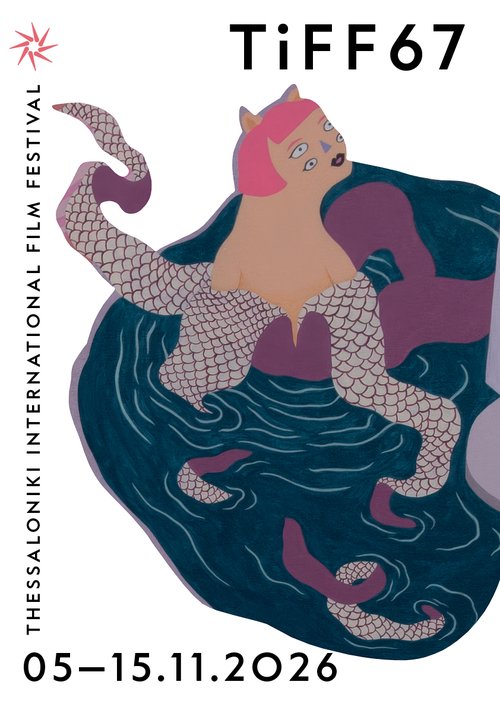
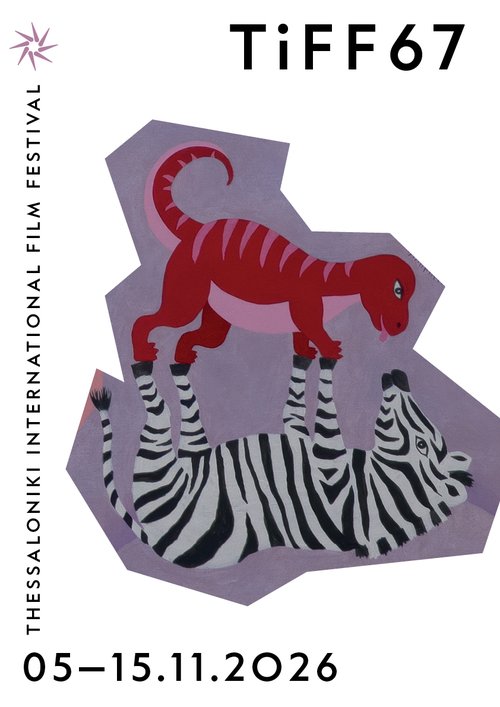
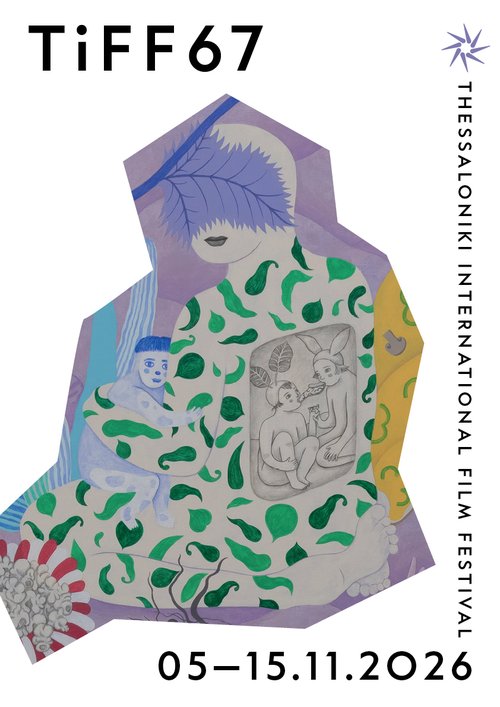
Sofia Rozaki draws inspiration from the cinema halls, as well as from the Festival’s tribute to the desert. The artwork spatial affects (acrylic paint, watercolor pencils on canvas, 150 x 180 cm) will be exhibited as part of the 67th edition.
In her own words:
“in the movie theater / a place between worlds / together silent in the dark / a paradoxical mass
intimacy
in the movie theater, codes are scrambled
in the desert / the absolute “outside” for the totalizing western comprehension / barren ground
for rigid social constructs and geographical claims / fertile, by extension, for wandering,
openings, and redefinitions
in the desert, codes crumble
in this work, experiences and memories of different individuals come together — people who agreed to share their love of cinema with me in a process of collective vulnerability
one of them wrote “because together is always better” and I’ll sum it up with that,
adding:
with radical responsibility toward the “other”
Sofia Rozaki (b. 1990) studied painting at the School of Visual and Applied Arts, Faculty of Fine Arts at the Aristotle University of Thessaloniki. She currently lives and works in Athens. Her work has been presented in solo and group exhibitions in Greece and abroad at Zoumboulakis Galleries, the Benaki Museum (in collaboration with the DESTE Foundation and the New Museum), MOMus–Experimental Center for the Arts, Art Athina, Art Thessaloniki, the Rome International Art Fair, the Trento Art Festival, the Athens & Epidaurus Festival, the Queer Archive Festival and the Thessaloniki International Film Festival among others.
In her practice, she explores alternative narratives surrounding the body, gender, memory, trauma and sexuality. Through hybrid figures and compositions that blur the line between the real and the surreal, her works challenge dominant Western binaries. With a feminist and queer approach, Rozaki combines personal and collective experiences with a wide range of aesthetic references, crafting a vulnerably sincere and idiosyncratic visual language.



