FFGR

67th TIFF: Balkan Horror
08.10.2026
NEWS
The 67th Thessaloniki International Film Festival explores the frightening side of the Balkans through Balkan Horror, this year’s Survey Expanded tribute within the framework of the Meet the Neighbors+ section. Legends, folklore, ghosts of History, family secrets, and intergenerational trauma meet cult classics, B-movies, genre-defying hybrids, as well as some of the most peculiar and eerie stories of Balkan cinema.
From folk horror and the supernatural to body horror, black humor, and especially splatter, Balkan Horror showcases a cinema that turns all that is familiar into something uncanny, and the everyday into a waking nightmare. This tribute proves, in cinematic terms, that in the Balkans, monsters don’t always arrive from the great beyond: they might resurface from the past, nestle within the collective memory, or lurk in the house next door.
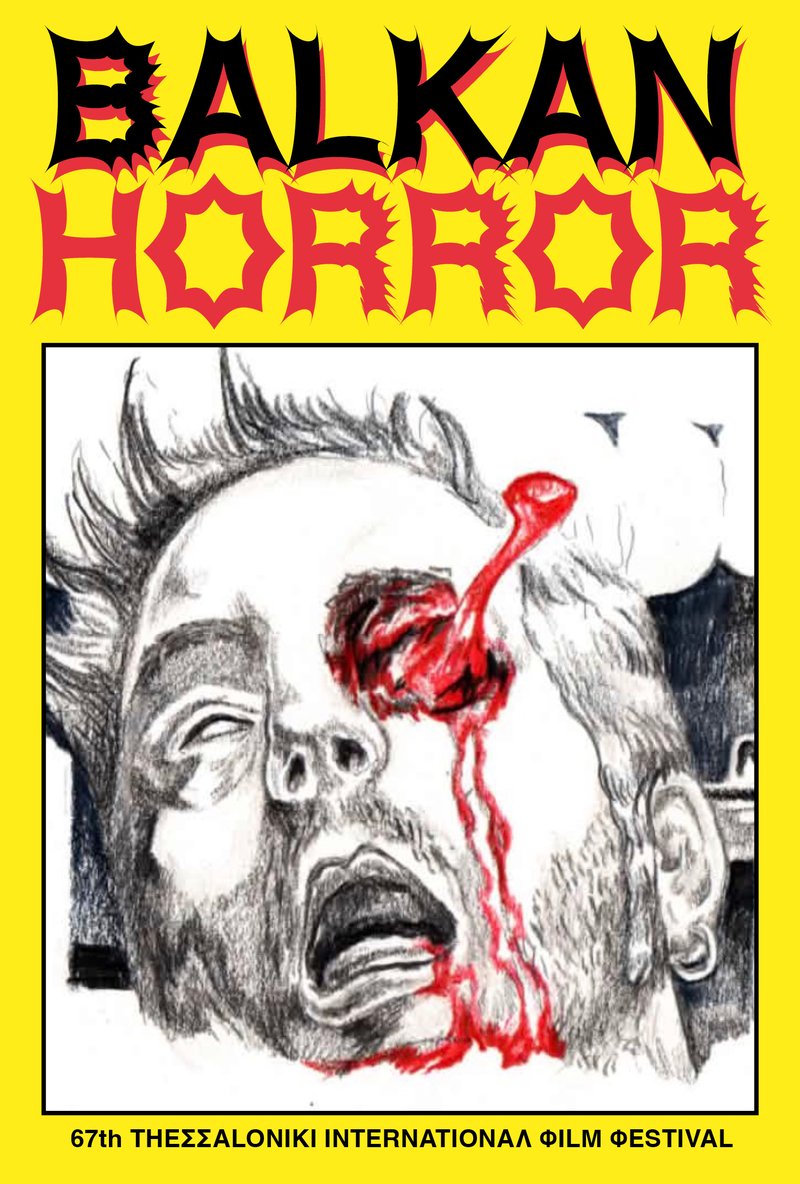
The tribute will be accompanied by a special edition featuring original illustrations by ANEL (@anel.f.arts), a pulp aesthetic, and texts delineating the history, the prevailing trends, and the day after for the horror genre in the greater Balkan region.
8 films will be screened as part of the Balkan Horror tribute:
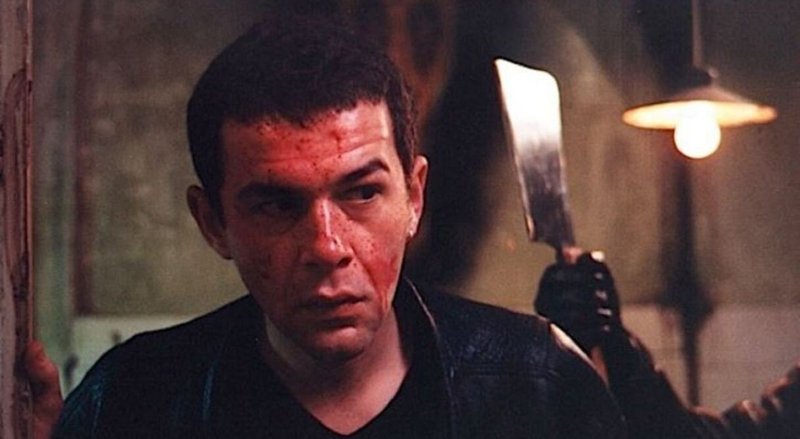
In Dejan Zecevic’s film, T.T. Syndrome (Yugoslavia, 2002), a group of young people is trapped at night in a Turkish bath in Belgrade. There, they are pursued by a ruthless serial killer suffering from “T.T. Syndrome,” a neurological disorder that causes extreme antisocial and violent behavior. A pioneering film for Serbian cinema, it is the first slasher movie made in Serbia; a low-budget horror starring well-known actors and actresses from the neighboring country, including Nebojsa Glogovac.
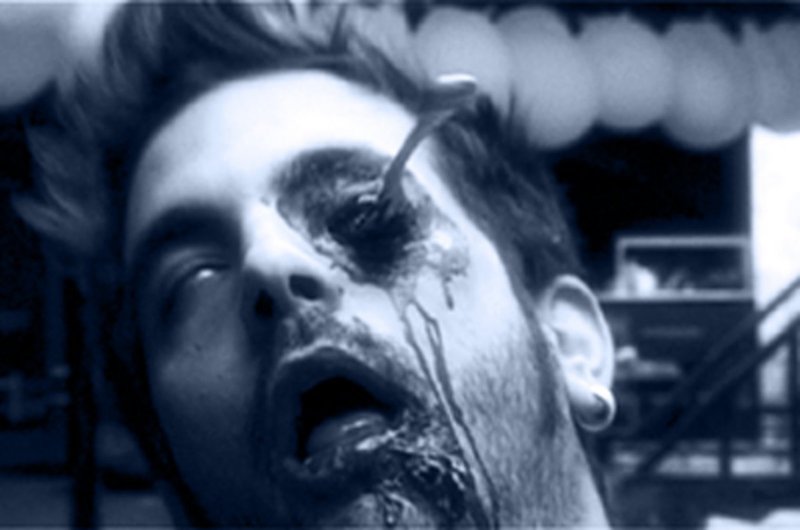
While digging on a construction site in the heart of Athens, the bulldozers stumble upon a cave, not recorded in any plan. But they would have been better off not finding it, since an ancient force is hidden within. In Evil (Greece, 2005), unsuspecting citizens are turned into rabid zombies, threatening to make the entire city share their thirst. The survivors find themselves in a fight to the death for their lives. Suspense, terror, emotion, as well as laughter exist side by side in this unprecedented - for Greece - endeavor, which paved the way for a sequel.
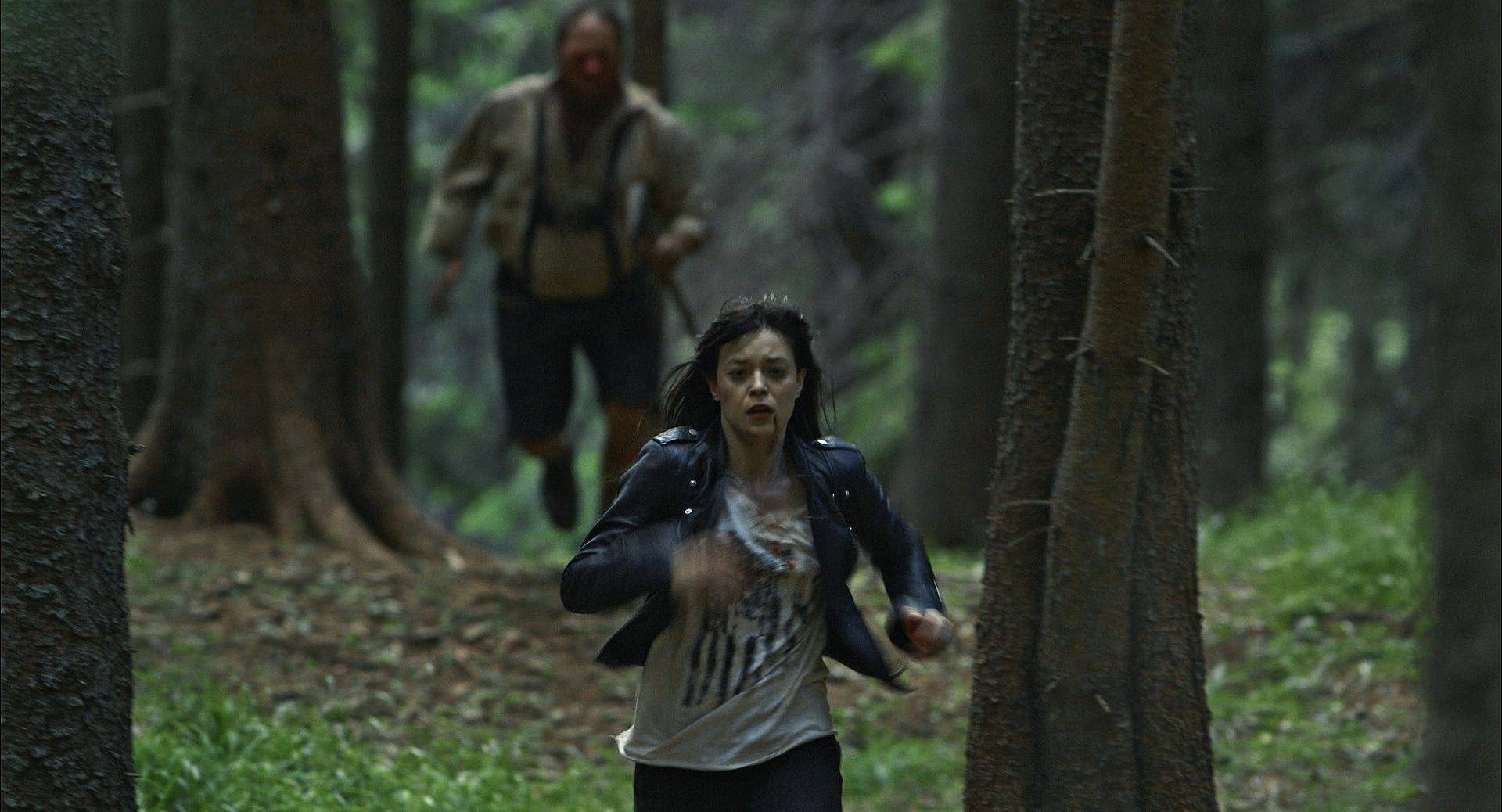
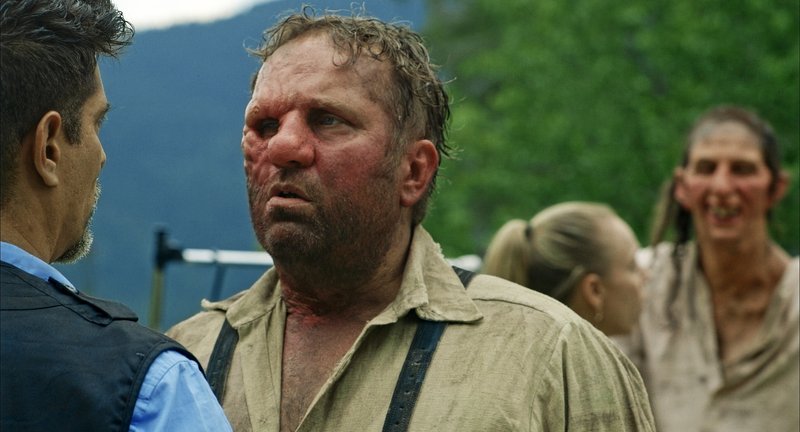
Idila (Slovenia, 2015) is regarded as Slovenia’s first horror film. What begins as a fashion shoot gradually turns into a nightmare, conjured from the depths of folk imagination. Models Zina and Mia, along with their apathetic friend Dragica, and an inconceivably stuck-up photographer head out to the countryside for an easy gig. There, they will find themselves beholding lush hills, golden light, and effortless beauty, but also a dark secret. Scriptwriter and director, Tomaz Gorkic, adapts the conventions of the genre to the Balkan landscape: stone ruins drowned in foliage, valleys shrouded in mist, turning the idyllic into the macabre without a moment’s notice. Balancing between the atmospheric allure of art-house cinema and the raw shock of a midnight cult film, Idila shows that the countryside can take your breath away, both literally and metaphorically, within the very same frame.
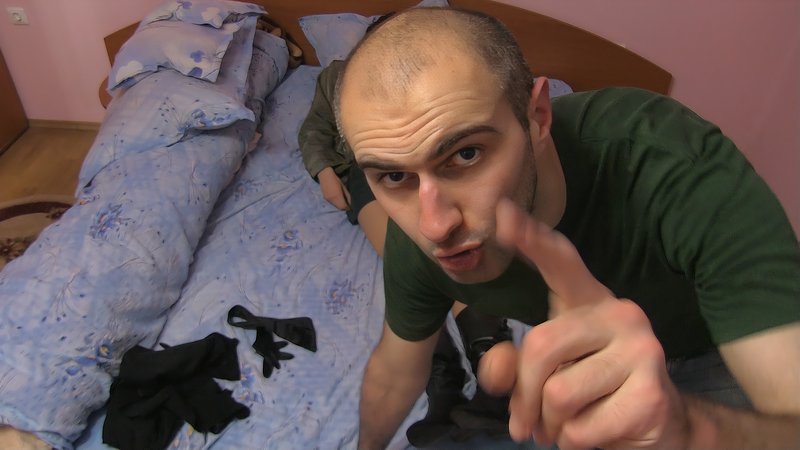
A confession, filmed with a hand-held camera, that begins as an awkward audition tape and ends up being one of the most chilling character studies of the horror genre in recent years. Adrian, an amateur Romanian filmmaker, shoots a video about his upcoming film addressed to the Hollywood star Anne Hathaway, in the hopes that she will agree to star in it. What follows is a slow, meticulously directed, unraveling: flattery gives way to despair, and despair to delusion, as the camera simultaneously becomes both a confessional and a weapon. Filmed on a tight budget, Be My Cat: A Film for Anne (Romania, 2015) by Adrian Țofei became a cult phenomenon, winning the Best Actor Award at the Nashville Film Festival, as well as the Award for Best Film at the A Night of Horror Film Festival in Sydney.
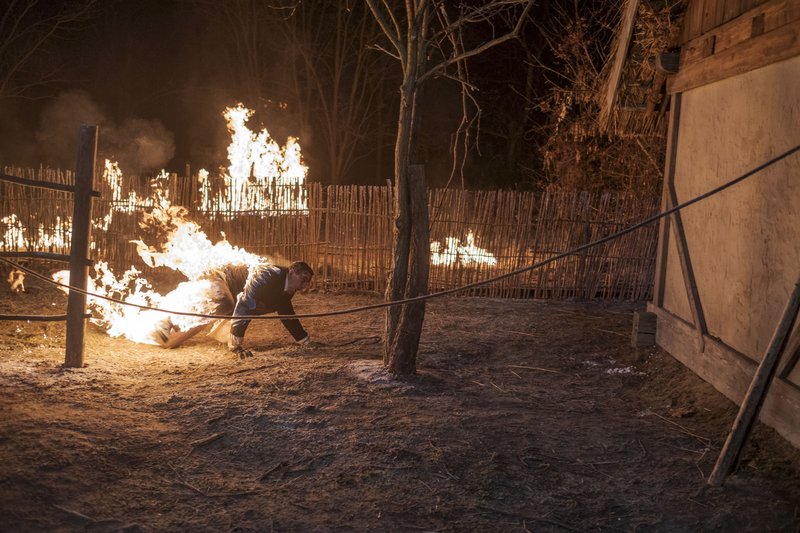
Dug from a mass grave, after being presumed dead at the battlefield of World War I, Tomas awakens with a strange gift: he can feel the lingering presence of those who have just departed from this plane. Six months later, wandering through the pandemic-stricken villages of Hungary, he has turned his gift into a career, working as a “post mortem photographer” - photographing the families of the deceased alongside the lifeless bodies of their loved one for a final family portrait. In an isolated town, buried beneath the corpses left by the Spanish Flu, Tomas meets Anna, a beautiful orphan girl with an otherworldly stillness, who seems to share his gift. Together, they decide to search for the ghosts everyone else fears, pulling out all the classic tricks from the ghost movie trope: flour scattered across the floors, creepy chimes, and explorations to barns, where no one dares to venture twice. Post Mortem (Hungary, 2020) by Péter Bergendy is a well-crafted period horror, a delightful experience for ghost story afficionados.
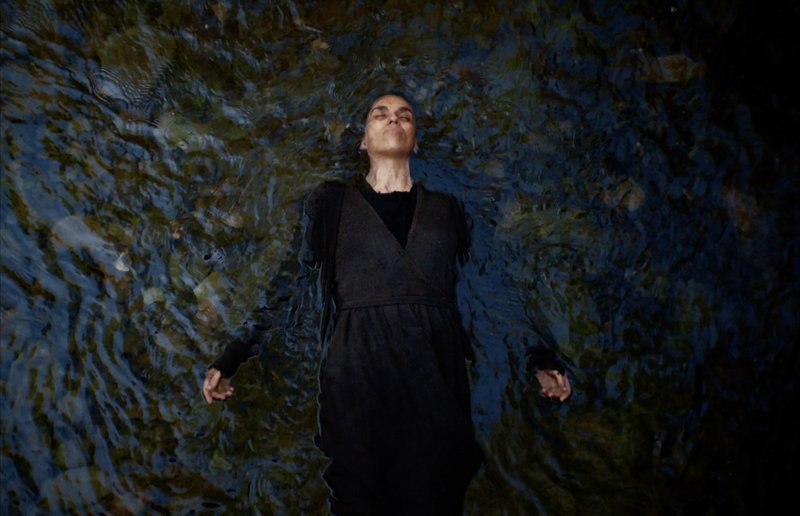
In a 19th century village, in what is now North Macedonia, a shape-shifting witch, known only as Maria the Spinster, kidnaps the sixteen-year-old Nevena, who grew up isolated in a cave, and turns her into a witch, leaving her behind to explore human life on her own. Once Nevena realizes that she can take on another’s visage, she starts living through other people’s lives: that of a suffering mother, a gentle lover, or a strange young man. Each borrowed form teaches her something new about what it means to be human, and the toll it exacts. You Won't Be Alone (Australia-UK-Serbia, 2022), Goran Stolevski’s impressive atmospheric debut, is uncannily beautiful, utterly disturbing, and unexpectedly moving. The film turns body horror into a search for identity.
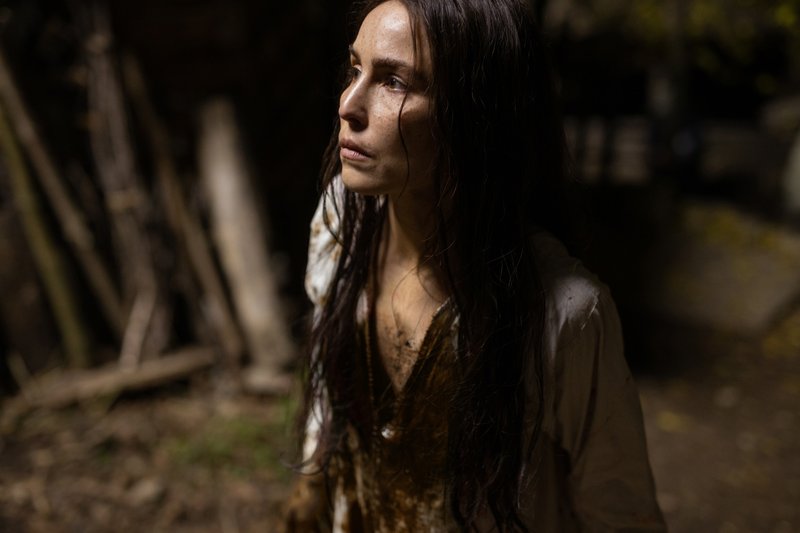
In Turkish folklore, people avoid referring to jinns by their names – instead, they call them “The Ones with Three Letters.” Desperate for a grandchild, Zeliha strikes a deal with them: they will give her a child in exchange for their soul once they come of age. When the time comes to settle the debt, the jinns demand a completely different price, leaving Zeliha to raise her granddaughter, Nazar, alone. The curse seems to have been lifted, the debt long forgotten. But it resurfaces once more, in a sinister manner, and Zeliha swears vengeance. Steeped in the authentic atmosphere of Turkish folk horror -the evil eye, black magic rituals, the supernatural, and deals that should have never been made- Melodi Tözüm’s Jinn: Evil Eye (Turkey, 2024) warns us of the consequences of attempting to make a deal with Death himself.
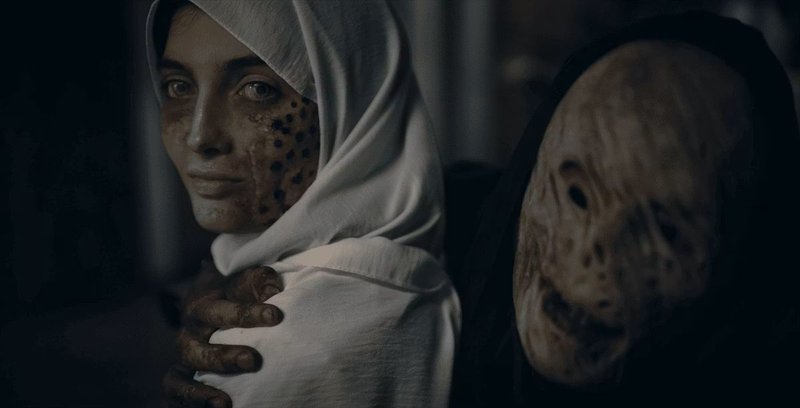
Set in Cyprus in 1882, Motherwitch (Cyprus-North Macedonia-US, 2026) follows a painter, Eleni, as she attempts to bring her dead children back to life. Instead, however, she awakens the ancient Kalikantzari of Cypriot lore, plunging her village into terror. With the demonic Lamia sustaining herself on her grief and anger, Eleni must come to terms with her loss and set her village free. Through the power of art and creation, she discovers that true salvation isn’t found in the resurrection of the dead, but in learning to accept their loss and rekindle hope.