
28th THESSALONIKI INTERNATIONAL DOCUMENTARY FESTIVAL
5 MARCH → 15 MARCH 2026
5 MARCH → 15 MARCH 2026
31 OCTOBER → 9 NOVEMBER 2025
17 JUNE → 21 JUNE 2025
FFGR


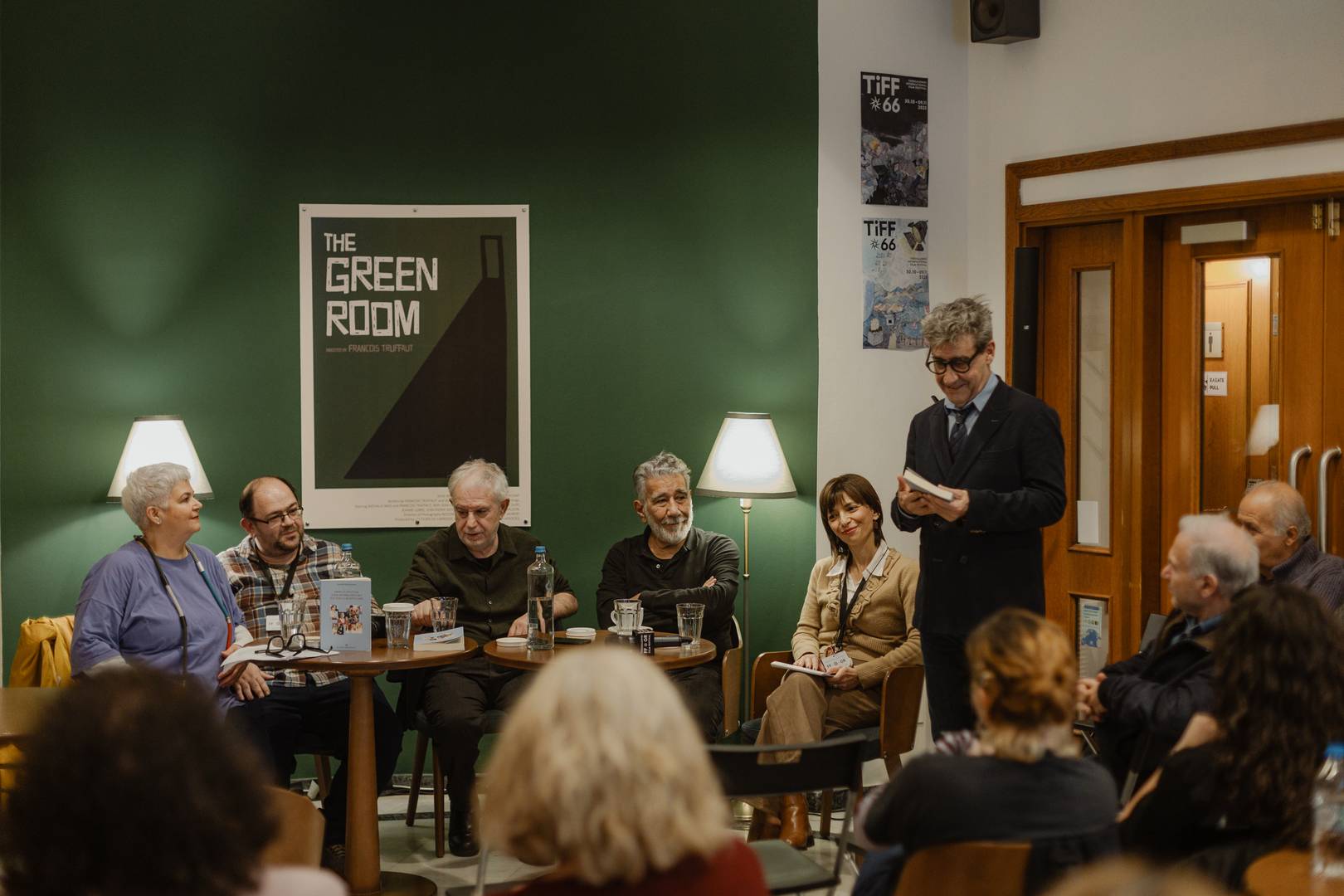
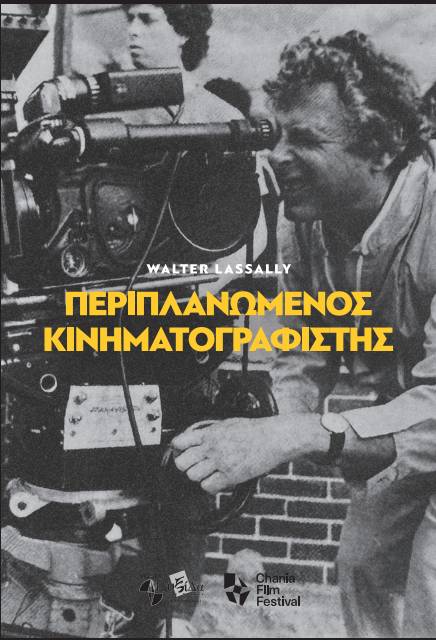
Friday 13th March // 17:00 // Green Room
The book The Wandering Cinematographer is the autobiography of Oscar-winning cinematographer Walter Lassally (1926–2017), published by Pyxida Publications and the Chania Film Festival. A man of action and cinema, Lassally was a central figure in the British New Wave and the Free Cinema movement. A pioneer in the use of natural lighting and lightweight cameras, he remained committed to low-budget independent productions throughout his career. In Greece, he gained international recognition through his close collaboration with Michael Cacoyannis, culminating in 1964 with the Academy Award for Best Cinematography for Zorba the Greek. Lassally was deeply connected to Chania, where he chose to spend much of his life and where he now rests. Speakers: Orestis Andreadakis, Artistic Director of the Thessaloniki Film Festival; Yannis Grosdanis, film critic; Kostas Mavrakakis, architect; and Giorgos Frentzos, filmmaker. Moderated by Matthaios Frantzeskakis, publisher, director of the Chania Film Festival.
*Free admission
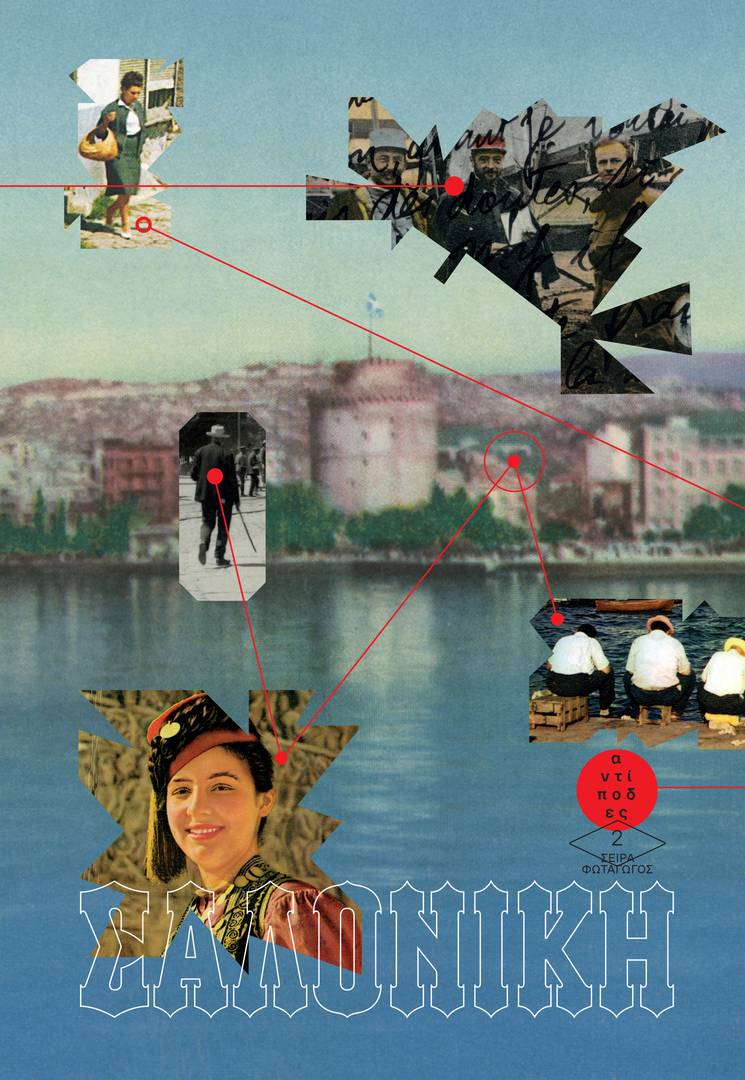
Saturday March 14th // 19:00 // Beetroot (8, Syggrou St)
In 2012, on the occasion of the 100th anniversary of Thessaloniki’s “liberation,” Yiannis Karlopoulos begins compiling an archive with postcards depicting the city from the beginnings of the 20th century until the ‘80s – ‘90s, when the use of postcards as a means of communication - however brief - began to decline. In parallel, he starts collecting and reading articles and books on history, literature, and even philosophy, and watching and listening to programs about the city of Thessaloniki, its history, and its life. Part of this archive of postcards is displayed in the book in chronological order. This arrangement serves a twofold purpose: the first is the linear narration of the history and development of a place. The second is to highlight the development of typography itself. The book is divided into four sections, based on the printing method used for postcards during each period. Beyond the different facades of a city that no longer exists, this book also presents a methodology that considers the history of visual technology as intertwined with the political and social context of a place. A tribute to the unseen craftsmen of this art form that is gradually fading away, and to the letter writers; French soldiers on the Macedonian Front, Thessaloniki’s Jews, Athenian excursionists, immigrants to America, tourists, friends, and relatives.
*The book is released by Antipodes Publishing House and is presented as part of Beetroot's Tiny Talks series.


We use cookies to improve your experience. By accepting, you agree to the use of cookies in accordance with our Privacy Policy.


