
FFGR


BUILDINGS & ΟPERATIONS
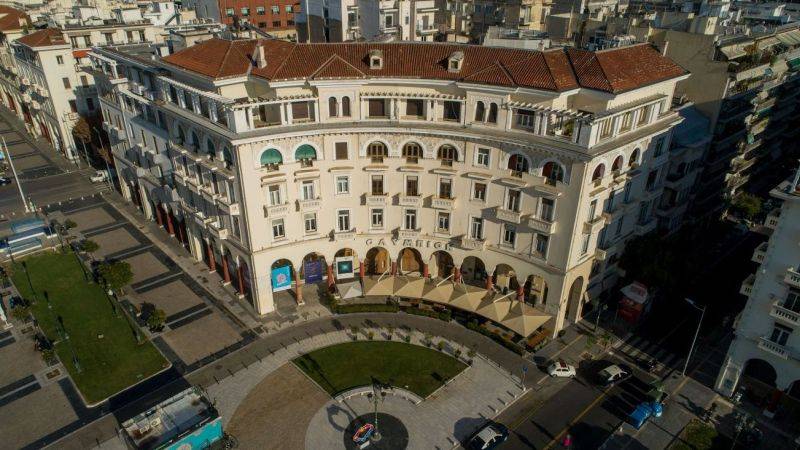
Energy upgrade works have already been realized in OLYMPION, the Festival’s permanent headquarters, improving the building’s energy rating from energy class D to B. Only electricity is now used at OLYMPION.
ENVIRONMENTAL CERTIFICATIONS
A study of carbon footprint analysis and energy audit was conducted, and the results and recommendations were presented in early 2026. The study, commissioned to the Process Equipment Design Laboratory of the Aristotle University of Thessaloniki, highlighted the issues that must be addressed and prioritized, while proposing interventions to reduce energy consumption and cost, and serve as a baseline for tracking the progress of our action plan.
- The scope of the study includes the Festival’s buildings and the annual daily operations of the organization, as well as the annual festival events (TIFF & TIDF) and the two Market Events/AGORAs.
- Through this process, the collection, measurement, monitoring and comparison of useful data (energy, water, volume of waste, transport-movements, etc.) is now conducted in a systematic manner.
- The Festival called upon a certification body to check its environmental management system against the requirements of EN ISO 14001:2015 and is currently preparing for the second phase of the relevant audit.
- Energy upgrade works have already been realized in OLYMPION, the Festival’s permanent headquarters, which were completed in June 2022, improving the building’s energy rating from class D to energy class B.
- The interventions included the replacement of the old cooling-heating equipment, the BMS/ Building Management System, and the previous lighting units of the two cinema venues, Olympion theatre (ground floor, first and second balconies, 563 seats, including seats for people with impairments) and Pavlos Zannas theatre (5th floor, 180 seats, including seats for people with impairments) with LEDS. As a result, only electricity is now used at OLYMPION, the consumption of which has been reduced by approximately 20% following the building's upgrade.
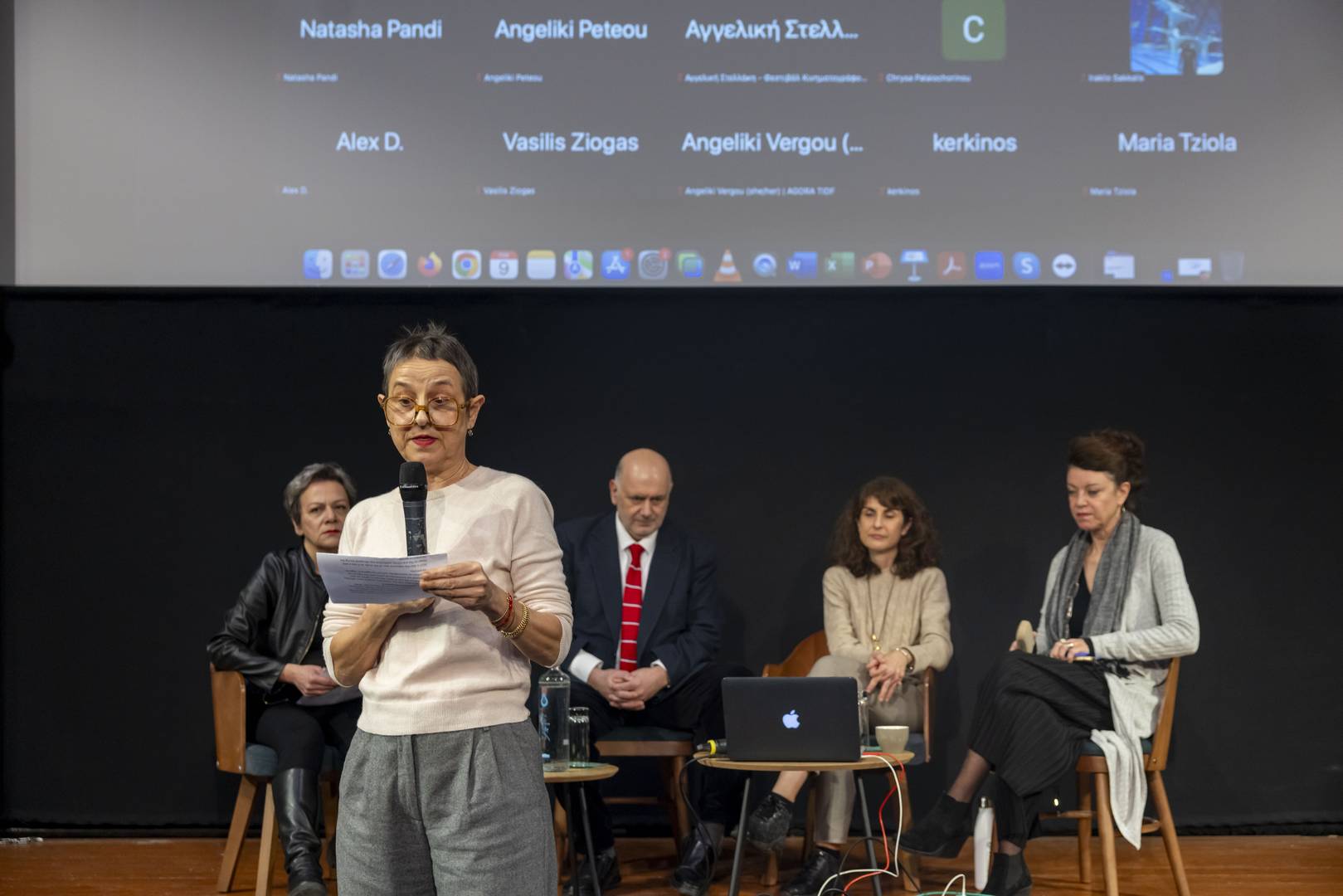
- The renovation of the Green Room (1st floor, Olympion) and of the workplace of the audiovisual technicians of the Olympion venue (4th floor), which also included the replacement of the air-conditioning system, was completed in 2022 and in 2023.
- Further energy upgrading interventions are planned, based on the results of the energy efficiency audit completed – for the OLYMPION, Warehouse C (the Festival and AGORA Centre during the events, located in the Port of Thessaloniki), the Cinema Museum, as well as for other venues managed by the Festival.
- Other green initiatives in regards to the daily operations, include: gradual replacement of all incandescent lighting to LEDs, general use of rechargeable batteries, replacement of all workstations from desktop to laptop, upgrade of projection systems, reduction of paper consumption, systematic reuse of office materials/equipment/furniture, etc., digitalization of administration procedures.
- Behavioral measures are also implemented: after working hours, electronic devices are turned off (vs stand-by mode), digital documents are preferred over printed ones, online meetings over in-person meetings, when appropriate etc.

